


Friction in fintech is a feature, not a Bug
In other sectors, friction is a problem. Something to remove, something to reduce. But in fintech, friction often exists for a reason, and removing it blindly can break or cost the product.


I'm Ebele, a senior product designer and product manager in Lagos.I work across design and management, turning complex fintech problems into products that are clear, useful and ready to ship for small and large scale businesses.
Get in touchSelect a book from the shelf to read its case study.
I’m Ebele, a senior product designer in Lagos with over five years of experience, mostly in fintech. I design payment products, merchant onboarding, dashboards and internal tools, and I lead the engineers who build them, from sprint planning through to QA. I’m drawn to complex problems, the kind with large volumes of data, regulated processes and users ranging from small shop owners to enterprise teams, and my work is making all of that feel simple, clear and trustworthy.
When I’m not designing, I’m writing about it on LinkedIn and Medium, or I’m away from the screen entirely: on the tennis court, at the gym, behind a camera or hunting down a really good cup of coffee.

I promise I was wearing jeans 🫠

My best mug yet! There’s a backstory to this trust me 😂
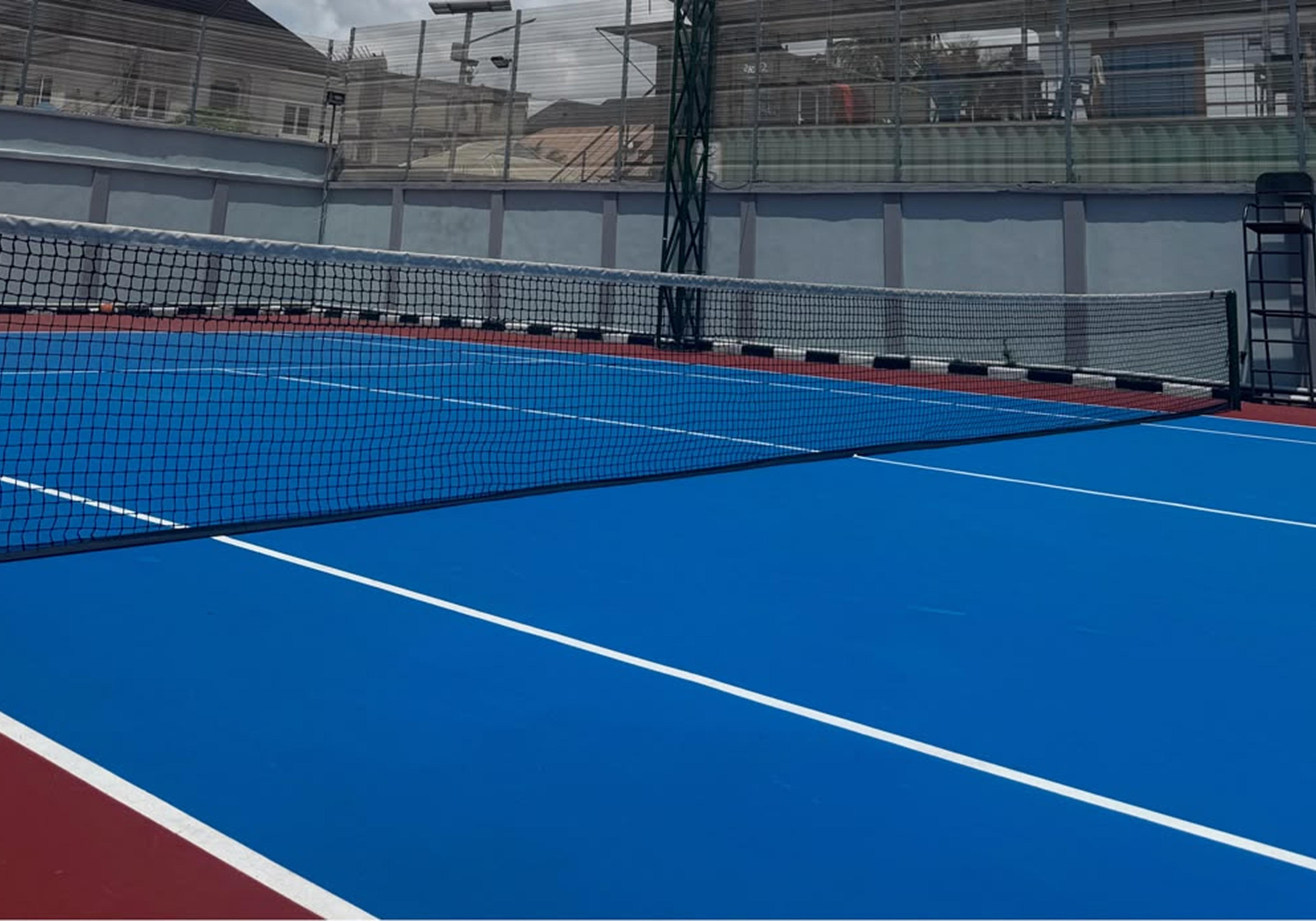
2 hours on the court every Saturday and the world is a better place again

Took this picture during my time in Nairobi!

Try kayaking against the current after back day at the gym 🙂↔️
A few pieces on product design, fintech and leading teams, from my Medium.
In other sectors, friction is a problem. Something to remove, something to reduce. But in fintech, friction often exists for a reason, and removing it blindly can break or cost the product.
AI is not replacing designers; it’s replacing tasks that involve repetitive execution without thoughtful consideration.
Payment dashboards look simple. A list of transactions, a few filters, maybe a couple of fancy summary cards at the top, but behind that simplicity is one of the most complex product experiences to design.
Flashy things attract people’s attention; flashy cars, bags, phones, accessories, etc. After attracting the admirer, does that flashy piece have enough to hold the admirer’s attention?
Visual hierarchy affects how your user interacts with your product and the entirety of their experience while completing tasks on your product.
Without deep knowledge of your product, you cannot fully empathize with your potential users, understand their pain points, and work on simplifying a solution to their pain points.
Move your mouse or finger to hit the ball back. Arrow keys work too, and Esc stops the game.